

Project fit & buying priorities
Warehouse and logistics leaders, WMS/ERP product owners, integrators and device procurement teams can assess the workflow, integration and ongoing support together. Operations should define tasks and exceptions, IT should validate interfaces and access, and procurement should compare complete configurations and service scope.
Separate deliberate barcode confirmation from UHF batch counting. Test real labels, metal racks and packaging rather than comparing reader specifications alone.
From field action to a complete record
- 01Receive: check purchase order, carton ID and lot
- 02Put away: match the item to its bin location
- 03Pick: confirm item, quantity and dispatch order
- 04Count: review discrepancies before the WMS adjustment
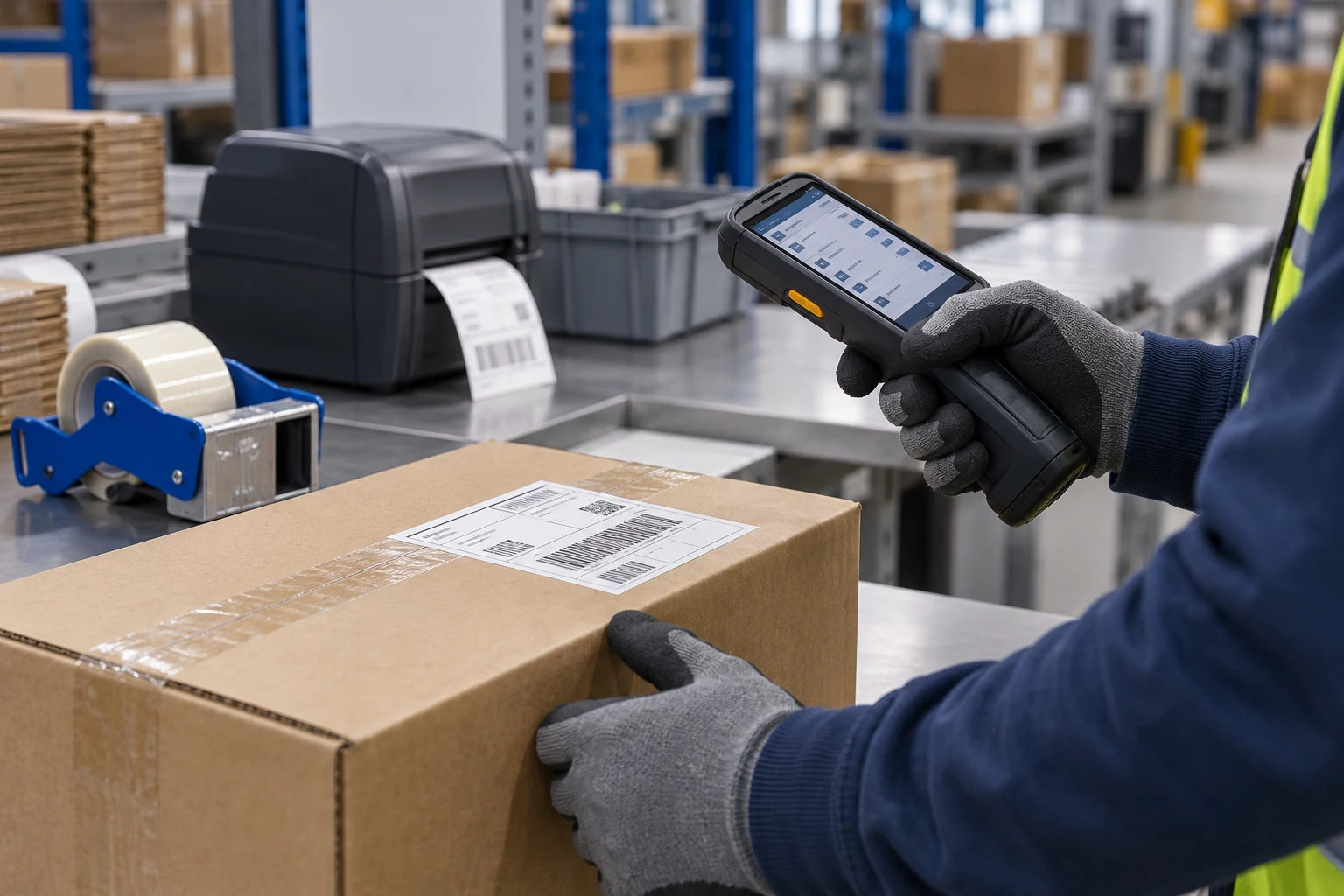
System integration & delivery responsibilities
Use transaction, item, lot, bin, quantity, count discrepancy as the integration checklist. Define field ownership, required values and exception handling. Complete one representative job from terminal to API and backend review before scaling to more teams or sites.
SOTEN supplies terminals, selected modules, SDKs and integration support. Software partners own inventory logic, order rules and backend systems. Agree identification, networking and training with the project owner.

Turn requirements into testable selection criteria
| Criterion | Confirm with the project team | Evidence to request |
|---|---|---|
| Use and configuration | Confirm capture methods, environment and operator interaction against the criteria above | Representative jobs, tags and peripheral list |
| Systems and interfaces | WMS / ERP / TMS application version, fields, SDKs and protocols | Installable software, API specification and test account |
| Operations and support | Actual shifts, power, network, mounting and spare-unit plan | Full-shift test, installation drawing and support responsibilities |
Product platforms to evaluate
Select a platform by workflow, then confirm the branch, operating-system version and modules. The suggestions below do not mean every option is included in every configuration.
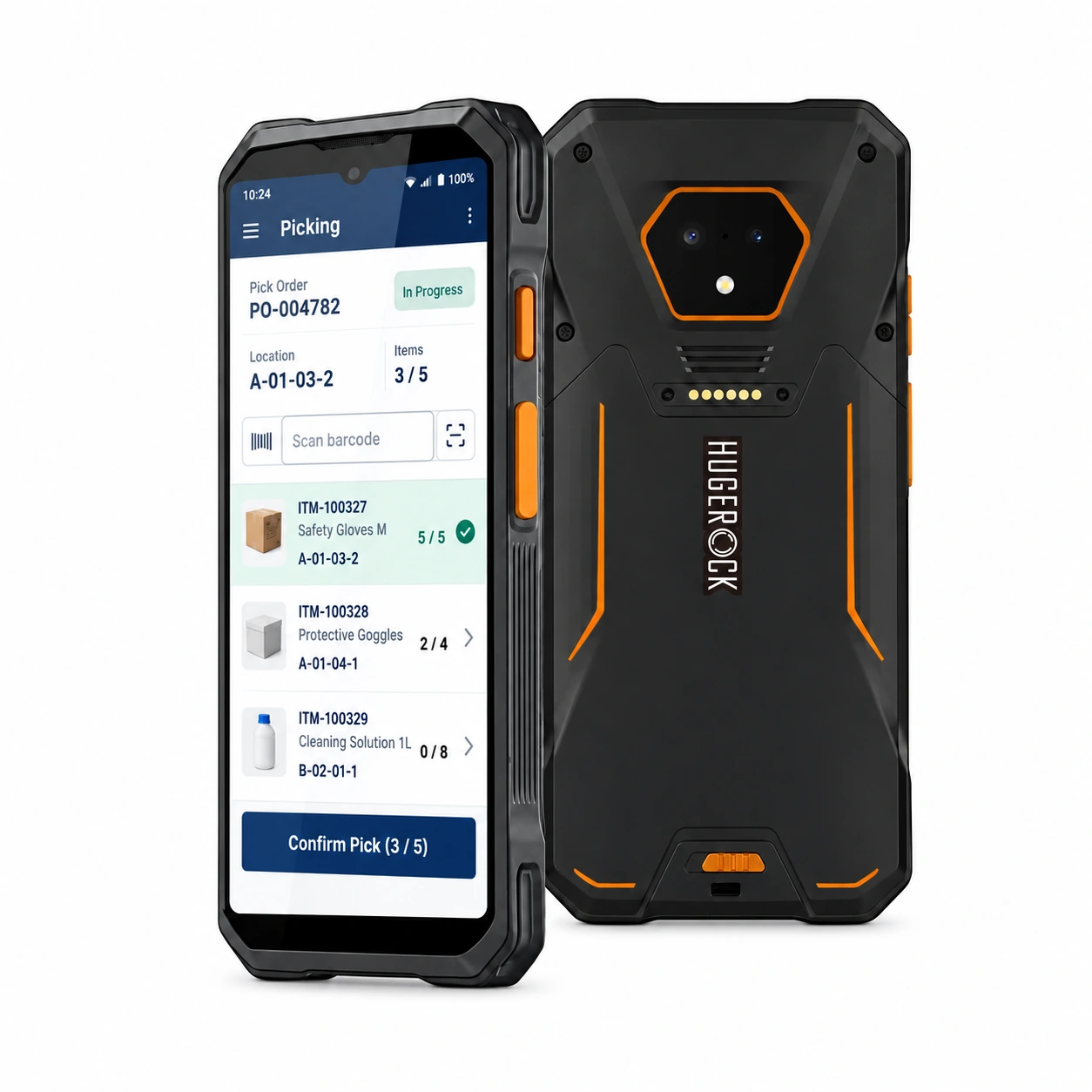
H61
Mobile receiving & pickingHandheld workflow candidate for mobile scanning roles that require frequent movement and one-handed interaction.
View platform and configurations ↗
H81
Cart stations & inventory reviewMultifunction tablet for business forms and capture options; select the system platform and module combination.
View platform and configurations ↗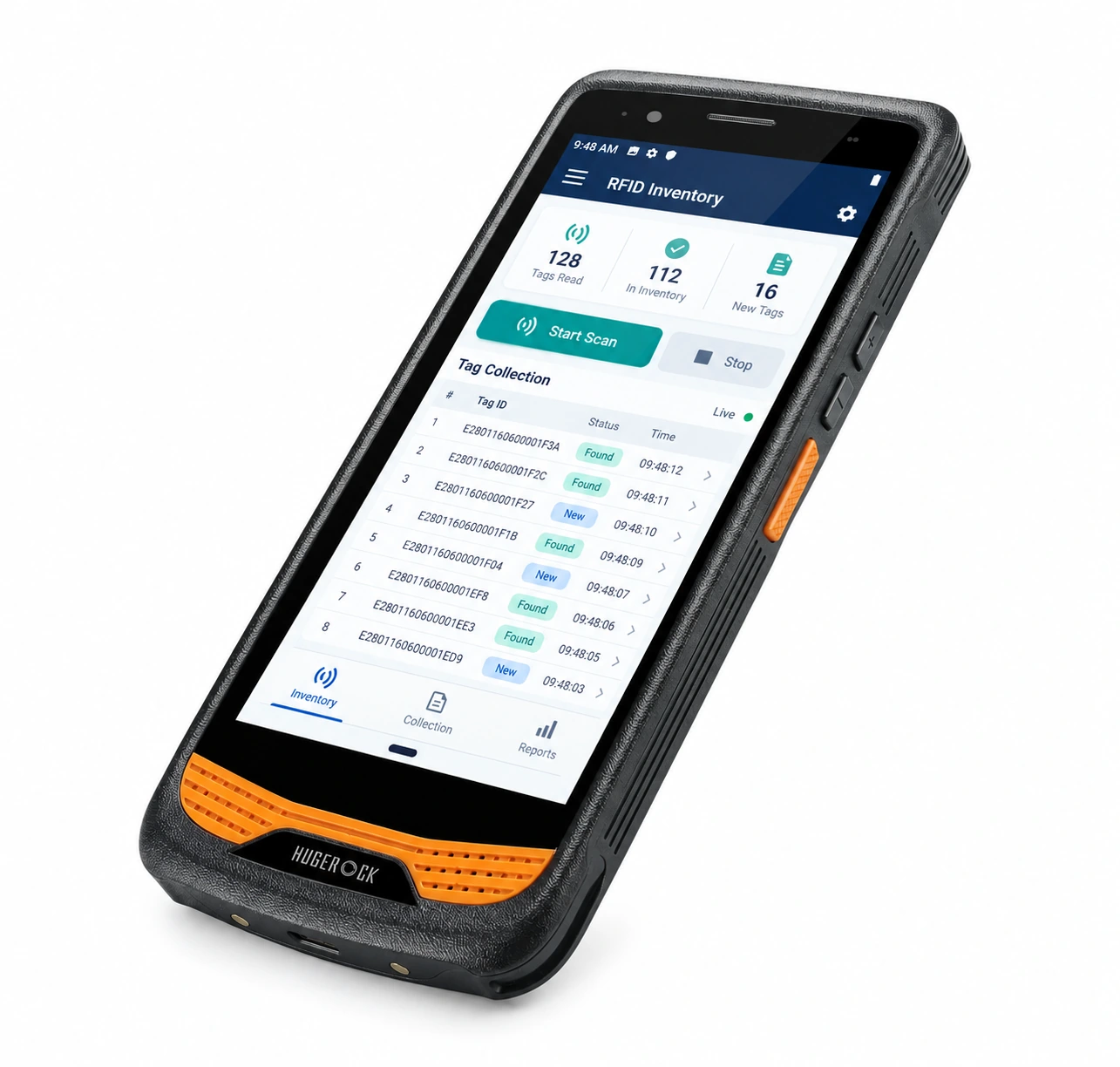
R36
RFID capture & inventory countsRFID handheld family; confirm frequency, reader module and SDK for R36S, R36A or R36U.
View platform and configurations ↗
S50
Handheld scans & job confirmationMobile capture family; select the branch for barcode, RFID or identity-capture tasks.
View platform and configurations ↗Pilot validation & procurement acceptance
Run receiving, transfers, short picks, duplicate scans and network recovery with the same item set; reconcile discrepancies, missed reads and duplicate postings.
- Operations: confirm completion, exception review and result retrieval against real workflows.
- IT / integration: verify fields, permissions, offline recovery and duplicate handling.
- Procurement / support: freeze the tested device, software and accessories, and agree delivery, spares and service terms.
Questions before the project starts
Can this connect to our existing system?
WMS / ERP / TMS are integration targets, subject to application compatibility, interface access and SDK validation. Share the software version, API specification and an anonymized workflow sample for a device pilot. Agree device supply, integration and rollout as explicit work packages.
What should we prepare before selecting pilot devices?
Provide barcode or RFID samples, packaging materials, warehouse connectivity, shift duration and WMS/ERP interfaces. Include deployment region, estimated quantity, project stage and intended rollout date to define candidate configurations and a test plan.
Data-standard reference
Projects sharing traceability events across systems can use GS1 EPCIS as a reference with their software partner; adoption depends on the project data architecture.


